Weekdays tend to fly by. Being busy with work, chores, commuting, and family responsibilities, cooking a nutritious meal seems like just one more thing to do. As a result, people turn to take-out or a bowl of cereal at dinner time. However, eating healthily does not need to take up too much time or be overly complicated. With some helpful tips and a selection of meals, you can nourish your body in under 30 minutes. Let’s see how.
Use a Recipe Format
Instead of finding a new recipe every day, use a versatile format for healthy meals: protein + vegetables + carbs + flavor. Protein gives you satiety, vegetables are a good source of fiber and other essential nutrients, carbs will provide you with enough energy, and the sauce will give flavor.
With such a recipe format, you will have all the freedom in the world to combine ingredients you have available at the moment. Chicken with rice and broccoli in a soy-ginger sauce is one combination, while chickpeas with quinoa and roasted red pepper in a lemon-tahini sauce is another.
Five-Minute Breakfast Options
The early morning is when we have the least amount of time, and therefore breakfast should be quick and easy to carry.
Overnight oats. Mix rolled oats with milk or vegan milk substitute, yogurt, and chia seeds in a jar the night before. In the morning, top it off with fruits, banana, or nut butter. No cooking necessary!
Vegetable egg muffins. Beat eggs with vegetables like spinach and peppers along with some cheese and put them in the muffin tin. Bake them on Sunday and just heat in the microwave all through the week. This is a protein-filled breakfast option.
Yogurt parfait. Combine Greek yogurt with some fruits and nuts, plus a little bit of honey on the top. You get protein, calcium, and fiber within two minutes!
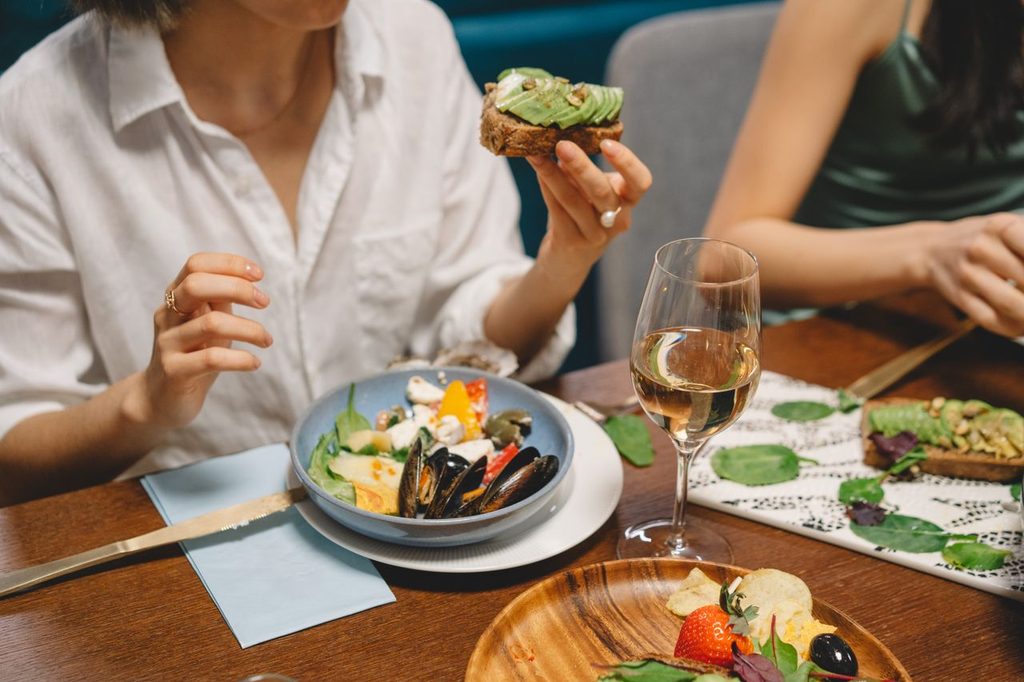
Avocado toast with a hard-boiled egg. The whole grain toast with some mashed avocado along with seasoning like salt and pepper.
Lunches That You Can Prepare In Advance
For most, lunch is where they derail because they buy whatever comes to hand. Planning is the solution.
Salads in mason jars. Pour the dressing at the bottom first, followed by firm foods such as chickpeas, carrots, and cucumbers. Add the green vegetables at the top and they stay fresh until they are shaken out into a bowl.
Grain bowls. Start your week by cooking up some rice, quinoa, or farro. Add the roasted vegetables, grilled chicken or tofu, and dressing. Mix it up with your toppings all week long to spice things up a bit.
Wraps made with whole-wheat. Make your wrap with hummus, grilled chicken or turkey, shredded lettuce, tomatoes, and cucumbers. Wrap the whole thing up in foil or parchment paper, and it is portable.
Soups that are hearty. Minestrone, lentil soup, and chicken vegetable soup freeze very well. Put portions of them into containers and freeze them for a warming lunch the next day.
30 Minute Dinner Ideas
The dinner meal is usually the hardest meal to prepare for many families. The following list comprises easy ideas that require little cooking time and are convenient for families.
Sheet pan chicken and vegetables. Marinate chicken pieces with broccoli florets, sweet potatoes, and olive oil and then season with garlic powder and paprika. Then bake the meal on one pan.
Stir-fry with frozen vegetables. Stir-fry chicken, shrimps, or tofu in a pan and then add frozen stir-fry vegetables. Finish up by pouring soy sauce, garlic, and ginger to get a sauce. Then serve over rice or noodles for a quick meal.
Baked salmon with greens. Rub a salmon fillet with lemon juice, salt, and pepper and bake for 12-15 minutes. Accompany it with steamed green beans and microwaveable brown rice. It will have omega-3 fats.
One-pot pasta. Boil whole wheat pasta, canned tomatoes, spinach, garlic, and broth in one pot.
Vegetable quesadillas. Make quesadillas of whole wheat tortilla stuffed with black beans, corn, peppers, and cheese. Serve them with salsa and side salad.
Turkey or bean chili. Prepare a huge pot of chili in less than 40 minutes which can be used as leftovers. It is rich in proteins and fibers, and
Healthy Snacks That Will Give You Energy
Snacking smart will help avoid the mid-afternoon slump and overeating during dinner time. Some snack ideas include:
- Apples with peanut or almond butter
- Vegetable sticks with hummus
- A handful of unsalted nuts
- Cottage cheese and fruits
- Roasted chickpeas
- Boiled eggs
- Popcorn
- Portion your snacks beforehand in small containers for easier consumption when you leave home. It freezes well.
Meal Prep Tips That Will Help You Save Time
You do not need to prep every single meal that you will be eating in order to benefit from this practice. A little bit of prep work on the weekends can go a long way during weeknights.
Bulk cook staples. Cook a big batch of grains, roast vegetables, and cook some protein like chicken or lentils. Combine and use them throughout the week.
Chop and wash the produce. Wash and chop all of your vegetables right after you come back home from the grocery store. Store your veggies in airtight containers with a paper towel at the bottom in order to keep them fresh.
Make sauces or dressings. One jar of a homemade vinaigrette, peanut sauce, or pesto will turn your simple ingredients into a delicious meal.
Freeze the meals. Freeze your cooked grains, soups, burritos, or marinated proteins in portions. Fruits and vegetables frozen at peak ripeness contain just as many nutrients as fresh produce.
Choose three to four dinners per week. Plan the meals and do not plan seven. Leave room for the leftovers or one flexible day during the week. Based on your menu, make a shopping list.
Smart Shortcuts to Take Advantage Of
Eating healthy food does not necessarily have to be done from scratch. Many foods that you find pre-prepared can actually be great additions to your menu provided that you check the ingredients:
- Rotisserie chicken for salads and sandwiches
- Canned fish and beans for protein source
- Pre-washed veggies and already sliced vegetables
- Microwavable whole grain products
- Broth without salt
- Fruits and veggies packed frozen
Conclusion
Healthy eating on a rushed timetable involves being prepared and adaptable, not perfect. Begin by implementing two or three of these suggestions this week. Get some foods ready at the beginning of the week, keep a pantry full of versatile ingredients, and take some shortcuts when needed. Read more content on Britannica En
In time, these behaviors will become second nature, and weeknight meals won’t be a struggle anymore. With some planning ahead of time, it is possible to eat food that is quick, nutritious, and enjoyable.
Frequently Asked Questions
What is a simple formula for a healthy weekday meal?
Combine protein, vegetables, a whole grain or healthy carb, and a flavor boost such as a sauce or seasoning. For example, chicken, rice, and broccoli with a soy-ginger sauce, or chickpeas, quinoa, and roasted peppers with lemon-tahini. The structure stays the same while the ingredients change.
What are some healthy breakfasts that take five minutes?
Good options include overnight oats, Greek yogurt parfaits, and avocado toast with a boiled egg. Veggie egg muffins can be baked in a batch on Sunday and reheated through the week for a quick, high-protein start to the day.
What are the best healthy lunches to prep ahead?
Mason jar salads, grain bowls, whole-wheat wraps, and hearty soups all prepare well in advance. Cook grains in bulk, roast vegetables, and rotate the toppings and dressings so your lunches don't get boring.
Which healthy dinners can I make in 30 minutes or less?
Sheet pan chicken and vegetables, stir-fry with frozen vegetables, baked salmon with greens, one-pot pasta, and veggie-loaded quesadillas all come together quickly. Most use one pan or pot, which keeps cleanup minimal.
Is meal prepping worth it if I only have a short window on the weekend?
Yes, even a short session helps. Cook a batch of grains, roast a tray of vegetables, prepare a protein, and make a sauce or dressing. You can then mix and match these building blocks through the week without preparing every meal in advance.
Are frozen fruits and vegetables as healthy as fresh ones?
Generally, yes. Frozen produce is typically frozen at peak ripeness, so it retains its nutrients well. It's also convenient, lasts longer, and reduces food waste, making it a smart staple for busy weeknights.
What are healthy snacks I can keep on hand?
Apple slices with nut butter, carrot sticks with hummus, unsalted nuts, cottage cheese with fruit, roasted chickpeas, hard-boiled eggs, and plain popcorn are all easy choices. Pre-portion them into small containers so they're ready to grab on the way out.
Which store-bought shortcuts are okay for healthy eating?
Rotisserie chicken, canned beans and tuna, pre-washed greens, pre-cut vegetables, microwaveable whole grains, low-sodium broth, and canned tomatoes are all useful. Check labels for added sugar and sodium, and choose products with short, recognizable ingredient lists.
How can I reduce food waste when planning weekday meals?
Plan three or four dinners instead of seven, build a shopping list from that plan, and leave room for leftovers. Use your freezer for soups, cooked grains, and marinated proteins, and wash and chop produce right after shopping so it gets used.
How do I keep healthy eating going when my schedule is unpredictable?
Keep versatile staples stocked, such as frozen vegetables, canned beans, eggs, and whole grains, and have two or three go-to meals you can make without a recipe. Aim for flexibility rather than perfection, and lean on shortcuts when you need them.