
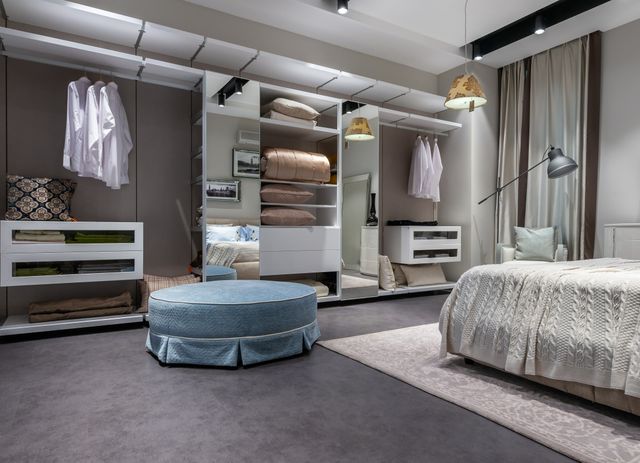
It takes money to look fabulous; not necessarily the most expensive kind. In fact, the most fashionable people are usually those who don’t spend much at all. Those who do are aware of their needs, buy wisely, and take care of their things. With careful planning, it is possible to create an elegant wardrobe on a budget. Here are some steps on how to do it.
Start with Your Existing Wardrobe
Before you go out shopping, check your existing wardrobe. Take out all your clothes and classify them in three groups: clothes you wear often, clothes you would like to wear, but rarely do, and clothes that sit gathering dust. Think about the reasons why. Perhaps your jacket doesn’t suit you or doesn’t fit you right.
In doing this, you will understand what your actual style is – sometimes it’s very different from what you think it is. This will help you identify what you lack and what you don’t really need. You may find yourself with five black tops but with no trousers to match them or lots of casual wear and nothing for work.
Determine Your Personal Style
When it comes to budget shopping, you go astray by choosing items simply because they cost less or are popular. The development of personal style is a filter for you. Get some outfit pictures that you love, and try to find a common theme in them. Are you attracted to simple and elegant lines? Casual and layered clothes? Traditional items with a vintage touch?
If you are able to sum up your style in several words, like “relaxed, neutral, tailored,” shopping becomes much easier. Every new item will be compared to these few words, and you know what to do if it does not match.
Create the Foundation for Your Capsule Wardrobe
Your capsule wardrobe will consist of a few versatile items that can be easily combined. This method is one of the most economical ways to dress well since every item is used a lot. The foundation can include:
- 2–3 well-fitting tops in neutral colors such as white, gray, and navy
- 2 dark straight-leg jeans
- 2 fitted trousers
- a blazer or a jacket
- a sweater or a cardigan
- a dress or a skirt
- a versatile coat
- sneakers and 1 pair of dressier shoes
Select 2 or 3 neutral colors for your base and 1–2 accent colors that you like. When everything goes together, you can get many different combinations from 12 items.
Fit Comes First
Fit is the ultimate leveler in fashion. An affordable shirt that fits nicely will always look better than an expensive one that doesn’t. Look out for shoulder seams, sleeve length, and hem lines.
If the garment is close to perfect, then have it tailored. Getting your hemline done or shortening the sleeves usually costs much less than buying a new garment, and your clothes will end up looking customized. Knowing how to sew a button back on or stitch up a loose hem is also money-saving.
Hit Thrift Stores First
Thrift shops, consignment stores, and online used goods stores are gold mines for savvy shoppers. Wool, leather, silk, and cashmere can usually be found there for much less than their original price. Second-hand clothes are also usually much more professionally made than cheap fast fashion.
For successful second-hand shopping, make sure to prepare a list of what you need so that you do not get sidetracked by bargains. Carefully examine the items for stains, poor workmanship, broken zippers, and wear and tear. Train yourself to quickly scan racks by feel and fiber.
Secondhand shopping is also environmentally friendly, another positive consideration.
Spend Wisely and Save Where You Can
Smart budgeting requires making choices about spending. Those pieces of clothing that you wear all the time and that are exposed to wear and tear should receive higher spending consideration than the pieces that don’t. Fashion items that will become outdated soon are better purchased either cheaply or secondhand because you will quickly get bored with them.
The cost per wear approach can be used to determine whether the purchase is wise. Calculate how much you would pay per wear by dividing the cost of the item by the number of wears expected. The $120 boots that you will wear 100 times cost $1.20 per wear, while the $30 shirt that you will wear twice cost $15 per wear.
Develop Your Eye for Fabric and Quality
Even if you’re not a fashion pro, a few quick things will help:
Fabric: Natural fabrics such as cotton, linen, wool, and silk tend to hold up longer and wear better than thin synthetic materials, although there are quality blends.
Stitching: Check out the stitching; it should be neat and even, with no loose threads.
Seams and Lining: Proper seam construction and good lining are important.
Weight and Drape: If the fabric feels heavy and drapes well, it is likely more expensive quality.
Taking the time to examine the clothing before you purchase it may save you from getting an item that won’t hold up past the second washing.
Shop Smartly: Timing, Offers, and Strategies
The timing of purchases is just as important as what you are purchasing. It is perfect timing to buy your coats when it is late winter or sandals in late summer. You should subscribe to your favorite brand’s newsletters to get discount codes, but if you feel that the emails make you shop without planning, unsubscribe from them.
Also, it is good to follow the following strategies:
- Making wishlists and holding back for a month before making a non-essential purchase
- Comparing the prices among different retailers and making use of cashback sites
- Looking for end-of-season items and outlet stores
- Purchasing items out of season, such as swimwear in autumn
It will be especially effective if you are putting off your purchases for a month.
Rent, Exchange, and Borrow
When it comes to special occasions, there is no need to purchase anything that you will only wear one time. It makes sense to utilize rental companies and borrow clothes from your friends. You can also exchange clothes with your friends or any groups in your community for a free fun way to replenish your wardrobe.
Take Care of Your Clothes So That They Will Last Longer
Appropriate care is essential in order to prolong the lifetime of all your clothes. It is important to follow the manufacturer’s recommendations, wash them as little as possible, use cold water when washing clothes, dry clothes air-drying, fold knitwear instead of hanging them, use appropriate hangers for jackets and shirts, clean up any stains as soon as possible, and use fabric shavers for removing pills from sweaters.
Simple upkeep allows you to stretch your dollar further because you will be replacing things less often.
Accessorize Intelligently
Accessories are one of the most economical options for changing up your outfit. A scarf, belt, inexpensive jewelry, or a good purse is capable of elevating any basic clothing to an elegant look. Jewelry and scarves from thrift shops tend to provide unique flair at bargain prices. Just keep a handful of accessories on hand that can work with your color scheme and you’ll have limitless combinations of outfits. Read more blogs on Britannica En
Final Thoughts
Creating a fashionable wardrobe without breaking the bank does not depend on how much you have but rather on how wisely you allocate it. Start with doing an inventory, knowing what style of yours is, and establishing a solid base of versatile clothes that fit. Buy used clothes, splurge on clothes you will use often, and take care of everything you buy.
Patience pays off. Creating a great wardrobe is not done quickly but requires deliberate purchases for months. In the end, you will find yourself with a whole closet of favorite and often-used clothes, showing that style is not expensive but thoughtful.
Frequently Asked Questions
How much money do I need to start building a stylish wardrobe?
You can start with very little. Begin by auditing what you already own, then add a few versatile basics at a time. Setting a small monthly clothing budget and buying only what fills a real gap is more effective than a large one-time shopping spree.
What are the first pieces I should buy for a capsule wardrobe?
Start with well-fitted neutral tops, dark straight-leg jeans, tailored trousers, a blazer or structured jacket, a knit sweater, a versatile coat, and two pairs of shoes: comfortable sneakers and a dressier option. These pieces mix and match easily, so a small number can create many outfits.
Is secondhand shopping really worth it?
Yes. Thrift stores, consignment shops, and resale platforms often carry quality fabrics like wool, leather, silk, and cashmere at a fraction of the original price. Go in with a list, inspect items for stains and loose seams, and you can build a high-quality wardrobe for much less.
What does cost per wear mean, and how do I use it?
Cost per wear is the price of an item divided by the number of times you expect to wear it. A $120 pair of boots worn 100 times costs $1.20 per wear, while a $30 top worn twice costs $15 per wear. It helps you spend more on everyday essentials and less on trend-driven pieces.
Which clothing items are worth spending more on?
Focus on items you wear often and that face the most wear and tear, such as shoes, coats, jeans, and bags. Save money on trend-driven pieces like bold prints or novelty accessories, since you may tire of them quickly.
How can I tell if a garment is good quality?
Check the fabric content, stitching, seams, lining, weight, and hardware. Natural fibers like cotton, linen, wool, and silk usually last longer. Look for even stitches, smooth drape, and sturdy zippers and buttons. A few minutes of inspection can prevent a bad purchase.
Is tailoring worth the cost on a budget?
Often, yes. Hemming trousers, taking in a waist, or shortening sleeves usually costs far less than buying a new item and can make an affordable garment look custom-made. Good fit matters more than the price tag.
When is the best time to buy clothes to save money?
Shop seasonal clearance sales, such as coats in late winter and sandals in late summer. Buying out of season, using outlet stores, and signing up for brand discount codes can also help. Waiting 30 days before buying non-essentials prevents impulse purchases.
How can I dress for special occasions without overspending?
Rent outfits for weddings and formal events, borrow from friends, or join a clothing swap. These options give you something new to wear without paying full price for an item you may only wear once.
How do I make my clothes last longer?
Follow care labels, wash less often, and use cold water to protect colors and fibers. Air-dry delicate items, fold knitwear instead of hanging it, and use proper hangers for jackets and shirts. Treat stains quickly and remove pilling with a fabric shaver.